Warehousing and Logistics facilities in Southern, Central and Coastal Maine facing rodent activity near loading docks and stored goods
Protect Inventory and Prevent Costly Contamination
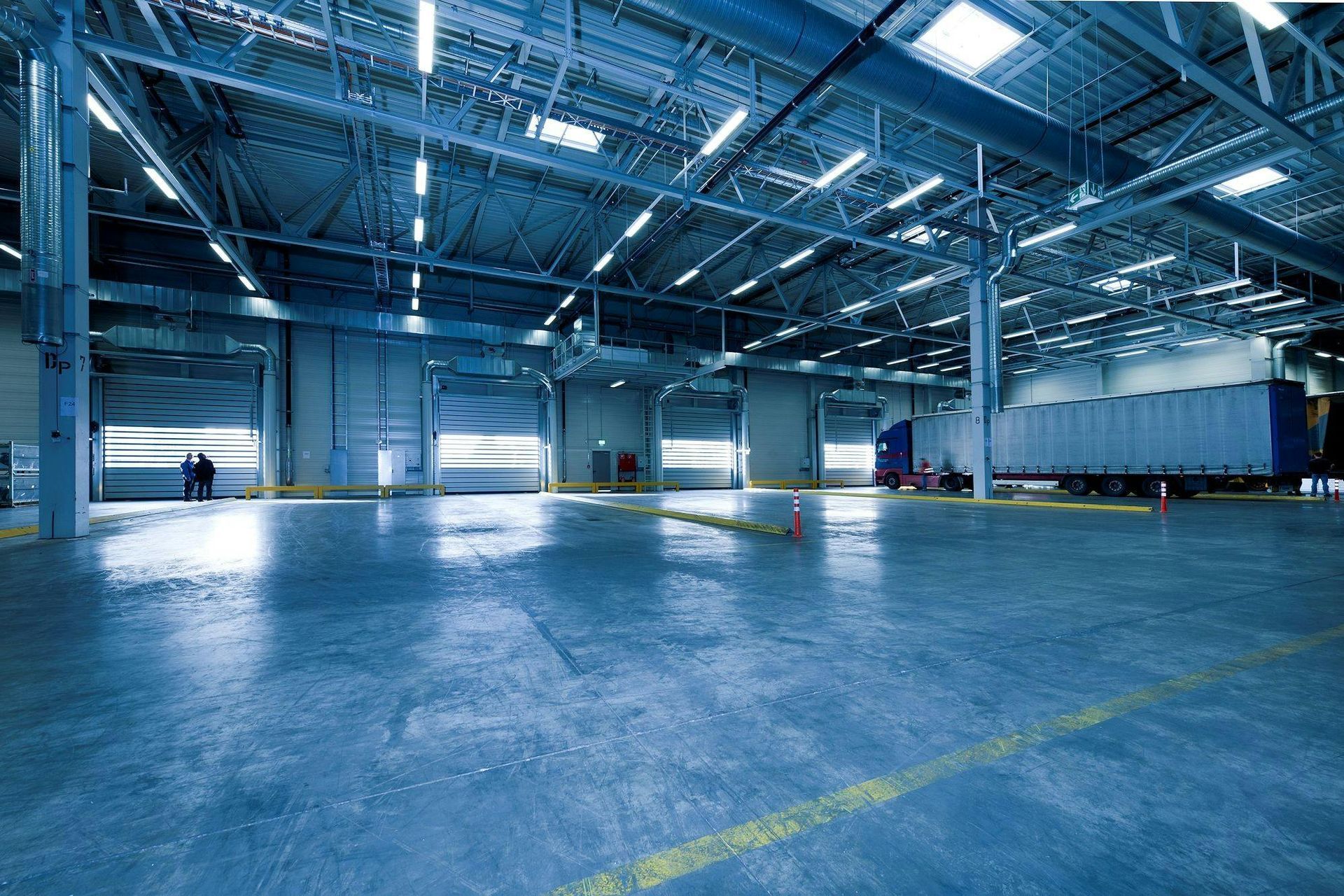
PWI Pest Solutions provides pest control for warehouses and logistics facilities in Southern, Central and Coastal Maine where product contamination and structural damage from rodents or birds can interrupt operations and damage your reputation with clients. You manage large spaces with constant shipment turnover, and pests move in through open dock doors, ride in on pallets, or nest in ceiling spaces above inventory. This service addresses both active infestations and the vulnerabilities in your facility that allow pests to establish populations.
The work focuses on exclusion, monitoring, and targeted control in high-traffic zones like loading bays, break rooms, and perimeter walls. Rodents chew through packaging and leave droppings on products, while birds roosting near docks create slip hazards and contaminate surfaces below. Maine's coastal location means seagulls and pigeons are especially persistent around outdoor structures, and exclusion work often includes netting or deterrent installations.
If you are preparing for a client audit or dealing with repeated pest sightings in your storage areas, contact PWI Pest Solutions to arrange a facility assessment and customized protection plan.
Customized Plans Based on Facility Size and Usage
You will see results when snap traps and bait stations along walls stop capturing rodents, when droppings disappear from corners and shelving units, and when birds no longer gather on beams above your dock doors. Service plans are built around the square footage of your facility, the type of goods you store, and the frequency of shipments coming in and out.
After the initial service, most warehouses require monthly monitoring visits to maintain control and catch new activity before it spreads. PWI Pest Solutions tracks rodent movement patterns using strategically placed monitoring devices and adjusts placements based on what is captured. You should notice fewer signs of gnawing on cardboard, cleaner floors in storage aisles, and no pest-related flags during third-party inspections.
This service does not include repairing damaged dock seals, replacing torn screens, or cleaning bird waste from exterior surfaces, but technicians will identify structural gaps and explain what repairs will improve exclusion. Routine inspections ensure that seasonal pest pressure, such as rodents seeking shelter in fall, does not compromise your facility.
What Warehouse Managers Need to Know
Large-scale facilities present unique challenges when it comes to pest control, and understanding how service works in your specific environment helps you maintain compliance and protect stored goods.
What pests cause the most damage in a warehouse setting?
Rodents chew through packaging, wiring, and insulation, while birds create sanitation issues and attract secondary pests like mites and beetles.
How do rodents get inside a facility with no visible entry points?
Rodents squeeze through gaps as small as a quarter inch around loading dock seals, utility penetrations, and damaged weather stripping along overhead doors.
Why is exclusion more effective than trapping alone?
Exclusion prevents new rodents from entering, while trapping only addresses the current population, so combining both methods stops the cycle instead of just reducing numbers temporarily.
When should bird control be prioritized in Maine?
Bird pressure increases during nesting season in spring and early summer, so scheduling deterrent installations before that window prevents larger infestations later.
What happens if pests are found during a surprise inspection?
Contact PWI Pest Solutions immediately for an emergency response visit to assess the issue, implement control measures, and document the corrective action for your records.
To schedule a walk-through of your facility and build a monitoring plan that fits your operation, call PWI Pest Solutions at (207) 837-2977 and speak with a technician about protecting your inventory and meeting audit requirements.