For school and campus in Southern, Central and Coastal Maine dealing with ants, wasps, or rodents near classrooms and cafeterias
Child-Safe Pest Management for Learning Environments
PWI Pest Solutions provides pest control programs for schools and educational facilities in Southern, Central and Coastal Maine where child safety and compliance with integrated pest management standards are non-negotiable. You need to keep classrooms, cafeterias, and playgrounds free of pests without exposing students to unnecessary chemicals or causing disruptions during the school day. This service uses prevention-focused methods and coordinates with staff to ensure treatments happen when students are not present.
The work targets common school pests like ants trailing along baseboards, wasps nesting near building entries, and rodents accessing kitchens or storage rooms through small gaps in doors and walls. Inspections focus on cafeterias where spills and crumbs attract pests, utility closets where rodents hide, and outdoor play areas where stinging insects build nests. Maine's wooded areas and proximity to water mean that schools often see increased rodent activity in fall and wasp pressure in late summer.
If your facility is preparing for the school year or dealing with a pest issue that parents have noticed, contact PWI Pest Solutions to set up a campus walk-through and child-safe treatment plan.
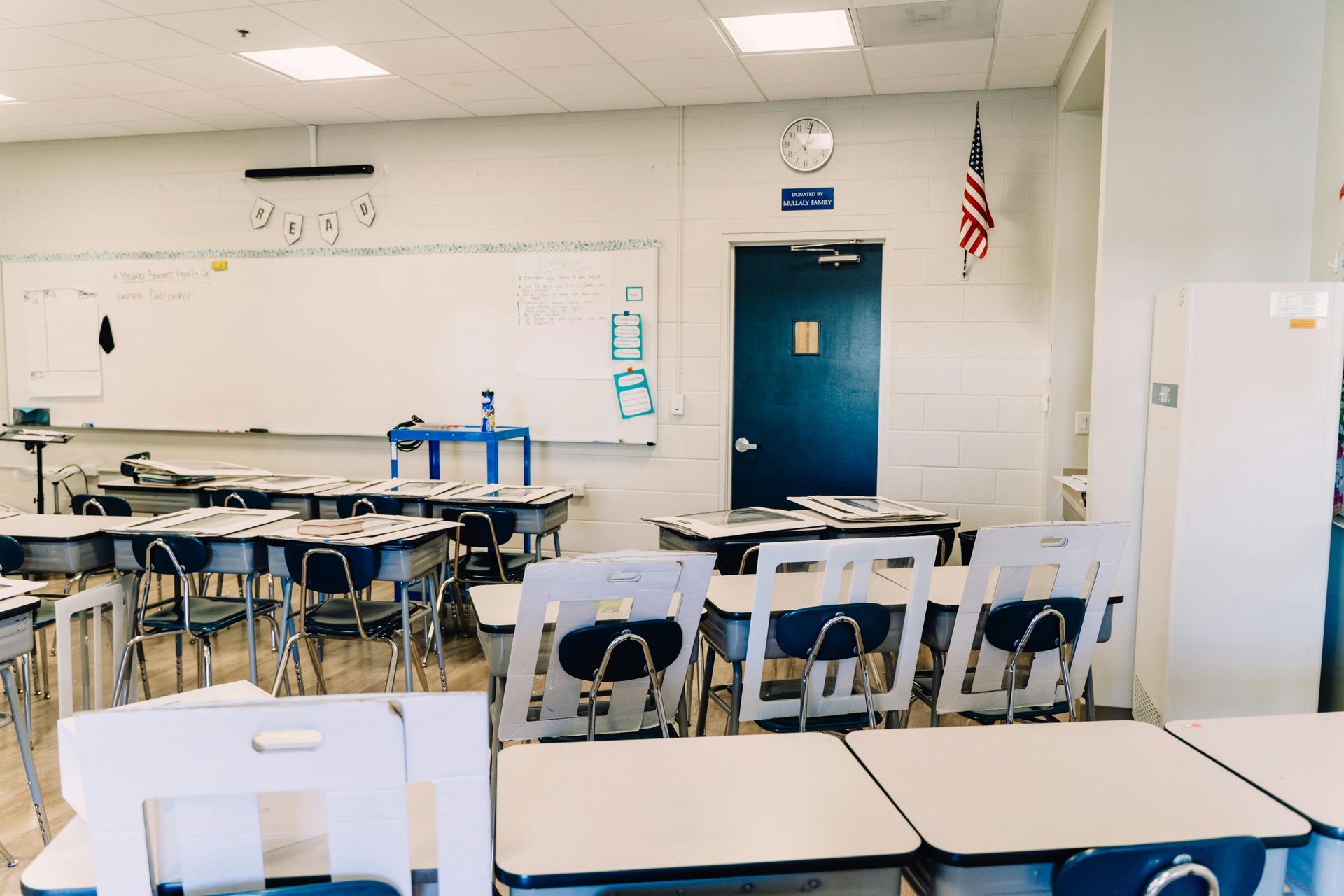
Long-Term Monitoring and Compliance Support
You will see results when ant trails disappear from hallways, when wasp nests are removed before students arrive, and when snap traps in kitchen areas stop catching rodents. Treatments are scheduled during evenings, weekends, or school breaks to avoid contact with children, and products are selected based on their safety profiles and compliance with state guidelines for educational settings.
After initial treatment, PWI Pest Solutions establishes a monitoring schedule that aligns with the academic calendar, increasing service frequency before school starts and during seasons when pest pressure is highest. You should notice cleaner classrooms, fewer parent complaints, and no pest-related issues flagged during facility inspections. Staff are provided with written reports that document what was treated, where monitoring devices are placed, and what conditions need attention to prevent future problems.
This service does not include sealing structural gaps, repairing damaged screens, or cleaning food debris from cafeteria floors, but technicians will identify maintenance issues that contribute to pest activity. Prevention strategies include staff training on proper waste handling and guidance on reducing attractants in outdoor trash enclosures.
What School Administrators Should Ask
Educational facilities have unique safety and scheduling requirements, and understanding how pest control fits into your operations helps you maintain a healthy environment for students and staff.
What pests are most common in schools and why?
Ants are attracted to food spills in cafeterias, rodents seek warmth and shelter in mechanical rooms, and stinging insects nest near building eaves and playground equipment during warmer months.
How does integrated pest management differ from traditional pest control?
Integrated pest management prioritizes non-chemical methods like exclusion, sanitation, and monitoring, and uses pesticides only when necessary and in the least disruptive way possible.
Why is scheduling important in a school setting?
Treatments must occur when students are absent to avoid exposure, and scheduling around classes, sports, and events ensures the work is completed safely and without interruption.
When should outdoor wasp control be scheduled in Maine?
Late spring and early summer are ideal because nests are still small, and removing them before they grow reduces the risk of stings during recess and outdoor activities.
What can staff do to reduce pest problems between visits?
Promptly clean up food spills, store snacks in sealed containers, report leaks or moisture issues, and keep exterior doors closed when not in use to limit pest entry.
To build a school-safe pest management plan that meets compliance standards and protects your students, call PWI Pest Solutions at (207) 837-2977 and schedule a consultation with a technician familiar with educational facility requirements.