Keep Your Kitchen Compliant and Your Reputation Clean
Food Service and Restaurant Kitchens in Southern, Central and Coastal Maine at risk of health inspection failures, due to visible pest activity
PWI Pest Solutions works with restaurants and food handling facilities in Southern, Central and Coastal Maine to control the pests that put your health license at risk. You rely on a clean kitchen to pass inspections, and fruit flies hovering near your prep station or droppings along the baseboard can shut down your operation. This service targets the specific conditions in food environments where pests reproduce quickly and hide in spaces most people never check.
The work begins by identifying high-risk zones such as floor drains, beverage stations, grease traps, and waste handling areas where cockroaches, fruit flies, and rodents find food and moisture. Treatment plans address both active infestations and the conditions that allow them to return. In a humid coastal town like Southern, Central and Coastal Maine, moisture builds up quickly in kitchens during summer, which accelerates breeding cycles for fruit flies and cockroaches.
If you need to prepare for an upcoming inspection or address a recurring pest issue, reach out to set up a kitchen-focused assessment and protection plan.
Discreet Service That Supports Ongoing Compliance
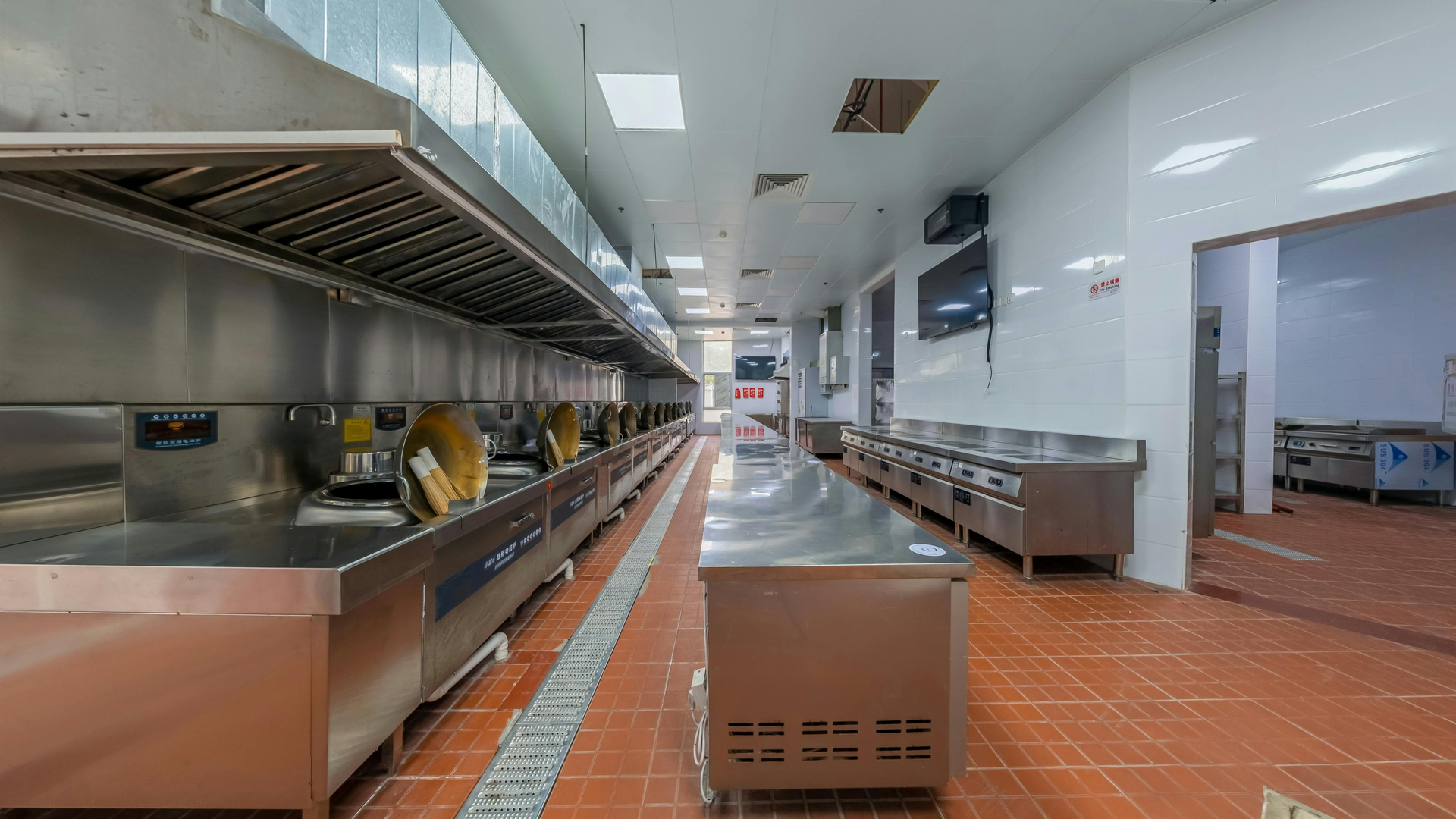
You will notice the difference when drain flies stop reappearing around sinks, when rodent droppings no longer show up in storage rooms, and when traps placed in back-of-house areas remain empty between visits. PWI Pest Solutions uses low-profile application methods and schedules service during off-hours to avoid disrupting your staff or alarming customers.
After treatment, you should see a measurable drop in pest sightings within the first week and complete control within two to three visits depending on the severity of the issue. Ongoing monitoring programs track activity in key areas and adjust placements or products based on what is captured. This approach keeps your facility inspection-ready without requiring constant attention from your team.
Service does not include structural repairs, grease trap cleaning, or replacement of damaged food storage equipment, but technicians will identify contributing issues and explain what maintenance will improve long-term results. Routine visits ensure that pressure points like dishwashing stations and walk-in coolers stay protected as conditions change with the season.
Common Questions About Pest Control in Food Service
Restaurants and food handling facilities face specific challenges when it comes to maintaining pest-free environments, and many operators have similar concerns about what the service involves and how it fits into their workflow.
What pests are most likely to cause health code violations in a restaurant?
Cockroaches, fruit flies, and rodents are the most common because they contaminate food contact surfaces and leave visible evidence that inspectors flag immediately.
How often should a commercial kitchen receive pest control service?
Most food service facilities benefit from biweekly or monthly visits depending on the size of the operation, volume of waste, and history of pest pressure.
Why do fruit flies keep coming back even after treatment?
Fruit flies breed in organic buildup inside floor drains, under equipment, and in beverage lines, so treatment must include sanitation guidance and larvicide application to break the cycle.
When is the best time to schedule service in Maine to avoid customer interaction?
Early morning before opening or late evening after close works best, and scheduling can align with your delivery or cleaning crew schedule to minimize overlap.
What should staff do if they see a mouse between service visits?
Contact PWI Pest Solutions right away so a technician can assess the entry point and adjust trap placements before the population grows.
If your facility is preparing for a health inspection or you have noticed pest activity that could put your score at risk, contact PWI Pest Solutions at (207) 837-2977 to schedule a discreet evaluation and start a program that keeps your operation compliant year-round.